Staying Safe: Meningitis Advice for Sickle Cell and Thalassaemia Patients
Meningitis Advice for People with Sickle Cell and Thalassaemia: Kent Outbreak Update
We want to share important information and guidance for people living with sickle cell disorder and thalassaemia following reports of a meningitis B outbreak in Kent.
This advice has been put together by a Consultant at Guy’s and St Thomas NHS Foundation Trust, alongside official guidance from the UK Health Security Agency (UKHSA).
Meningitis is a serious condition and it is important that everyone is aware of the symptoms and knows when to seek urgent medical care.
For more general information about meningitis, please visit:
https://www.nhs.uk/conditions/meningitis/
We have also included a UKHSA patient information leaflet , which provides further guidance on symptoms, prevention and what to do if you are concerned.
When to seek urgent medical help
If you experience symptoms of meningitis, it is important to attend A&E immediately. Early treatment is critical.
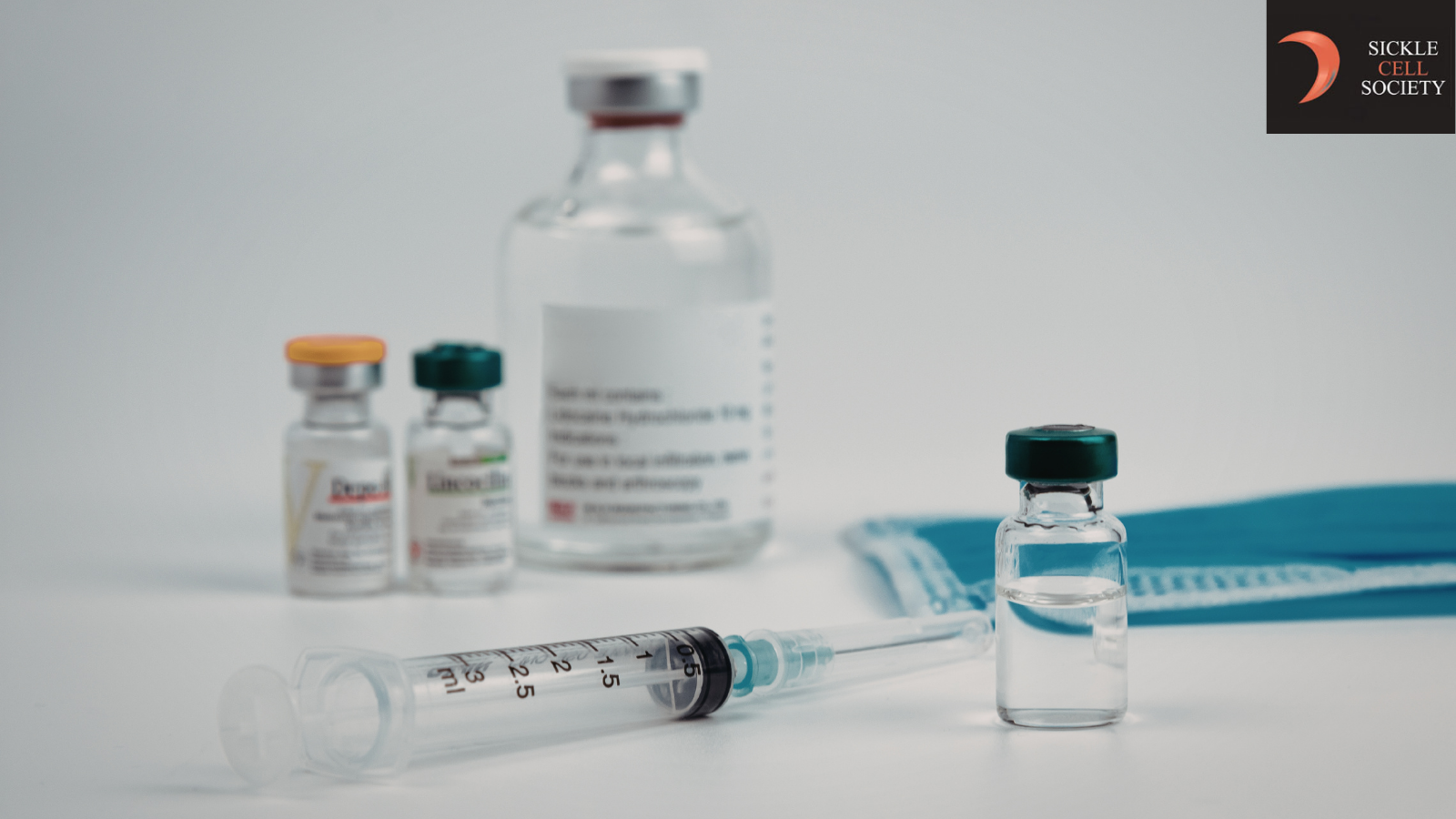
Meningitis vaccinations
In the UK, children are routinely offered both MenACWY and MenB vaccines as part of the national immunisation schedule. However, not everyone will have received both vaccines:
- The MenB vaccine has been offered to babies born from 2015 onwards
- The MenACWY vaccine has been offered to teenagers from around 1996 onwards
This means some people may not be fully protected.
People in higher-risk groups are offered additional protection. This includes:
- Individuals living with sickle cell disorder
- Individuals with thalassaemia who have had a splenectomy (spleen removal)
These groups should be offered:
- One dose of the MenACWY vaccine, protecting against four types of meningitis
- Two primary doses of the MenB vaccine, including protection against the current outbreak strain
If you are up to date with your vaccinations, you are as protected as possible. If you are unsure, we recommend speaking to your GP. Some local pharmacies may also offer these vaccinations.
Antibiotics for close contacts
The UK Health Security Agency (UKHSA) is identifying people who have been in close contact with confirmed or probable cases.
- These individuals will be contacted directly
- They may be offered preventative antibiotics (prophylaxis)
- Taking antibiotics promptly can help prevent the illness from developing
This guidance applies to everyone, including those living with sickle cell or thalassaemia.
We encourage our community to stay informed, check their vaccination status, and seek medical help quickly if symptoms arise.
If you have any concerns, please speak to your healthcare team.